
Creating a safe and relaxing backyard experience begins with strong pool safety practices. At Pools-Now, we believe that every pool owner should enjoy peace of mind while spending time with family and friends. A swimming pool is meant for fun, connection, and comfort, but safety is what makes all of that possible. With the right planning and habits, your pool area can become a protected space where everyone feels confident and secure.
Key Takeaways
- Constant Supervision: Always keep an adult watching swimmers. Choose a focused “water watcher” and use touch supervision for young children by staying within arm’s reach.
- Layers of Protection: Use multiple safety tools such as fences, self-latching gates, alarms, and secure covers.
- Preparedness Matters: Keep rescue tools close by and make sure adults know CPR and basic water-rescue skills.
Understanding Pool Safety Basics
Pool safety begins with one main idea: prevention is the strongest protection. Every pool environment is unique. Some have deep areas, curves, or nearby landscaping that affects visibility. Because of this, setting clear safety steps helps you reduce risks and protect everyone.
Modern safety includes a mix of physical barriers, clear rules, supervision, and helpful technology. These layers work together so that if one measure fails, others are still active. This approach keeps your backyard fun while staying protected.
Essential Safety Barriers and Equipment
Physical barriers create the first and strongest line of defense around your swimming pool.
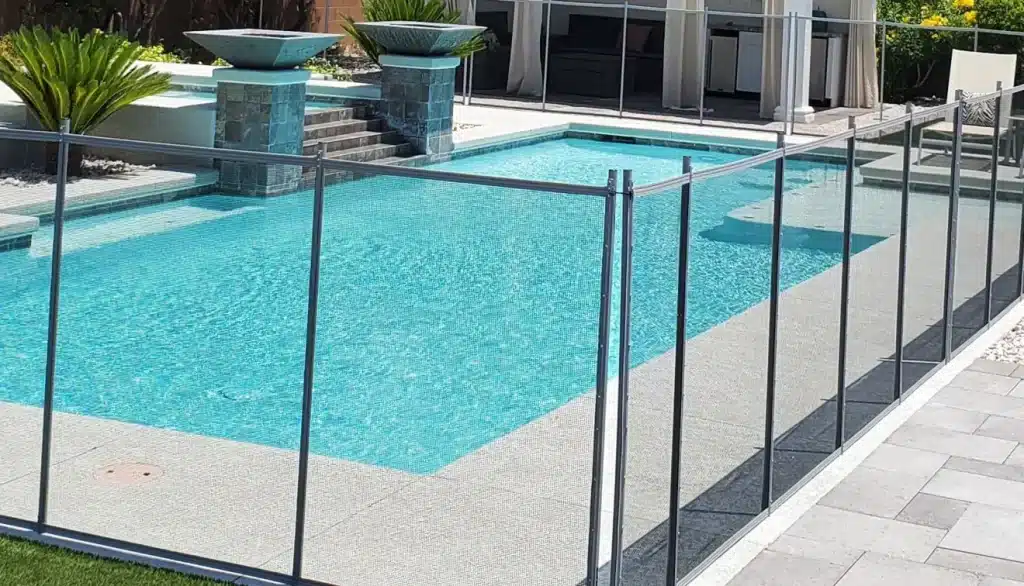
1. Pool Fences
A proper safety fence should:
- Be at least four feet high
- Include self-closing, self-latching gates
- Have spacing narrow enough to prevent children from squeezing through
- Avoid designs that allow climbing
A strong fence stops unsupervised access and protects both children and pets.
2. Pool Covers
Pool covers play a big part in year-round safety. Safety covers and automatic pool covers can:
- Support a significant weight
- Prevent accidental entry
- Help keep the pool clean
- Maintain water temperature
When closed, an automatic cover becomes a protective barrier that gives owners peace of mind.
3. Alarm Systems
Alarms add another layer of monitoring. Useful alarm types include:
- Surface wave alarms detect water disturbance
- Subsurface alarms sense underwater movement
- Gate, door, and window alarms alert when entry points to the pool area open
These systems notify you right away if someone enters the area or the water unexpectedly.
Pool Safety Rules and Guidelines
Clear rules help build a safety-first culture around your pool.
Constant Adult Supervision
This is the most important rule.
A designated water watcher should:
- Stay focused on the swimmers
- Avoid distractions like phones or reading
- Be present and alert at all times
Even great swimmers can face emergencies within seconds.
Set Swimming Zones
People have different comfort and skill levels in the water. Mark and explain where each person should swim:
- Use shallow areas for new swimmers
- Reserve deeper areas for strong swimmers
- Make sure depth markers are easy to see
This helps swimmers choose areas that match their skills.
Emergency Readiness
Every pool area should have:
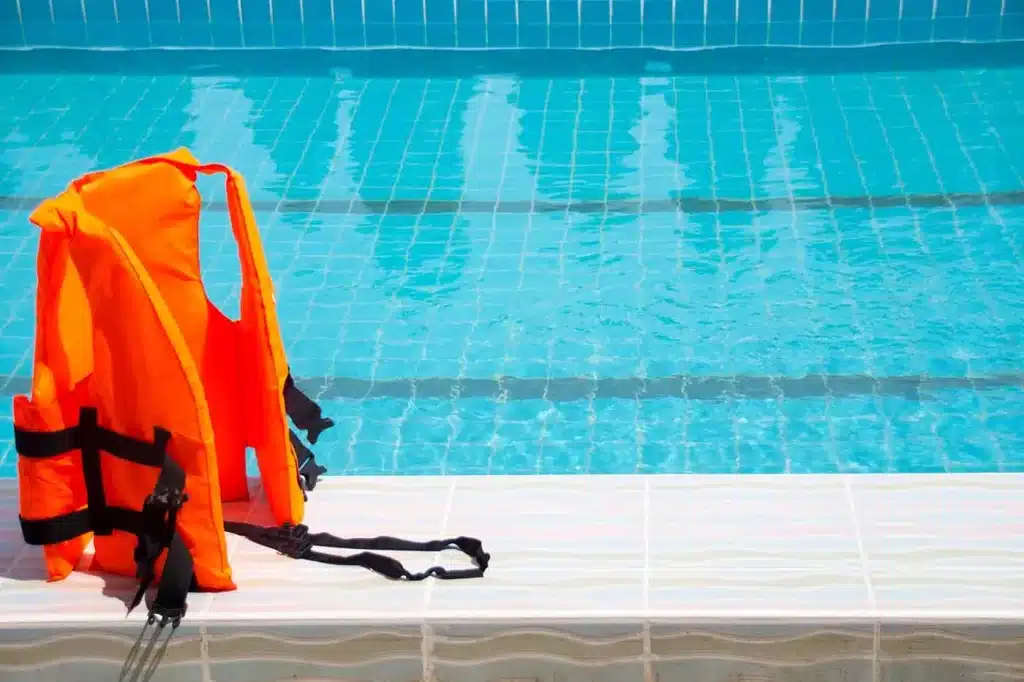
- A reaching pole
- A life ring
- First-aid supplies
- A phone nearby
Family members should learn how to respond to emergencies, even if they hope never to use these skills.
Child Safety Around Pools
Children are naturally curious, which means strong safety routines are necessary. Even when kids know how to swim, supervision and boundaries remain important.
Touch Supervision
For young children, an adult should stay:
- Within arm’s reach
- Focused
- Ready to react instantly
This practice prevents dangerous situations before they escalate.
Swimming Lessons
Swimming lessons teach important skills and build confidence. But swimming lessons do not replace the need for supervision. Even strong swimmers can get tired, scared, or slip.
Teach Pool Safety Rules
Children should learn to:
- Ask permission before entering the pool
- Walk, not run, on wet surfaces
- Use steps and ladders properly
- Stay away from drains and filters
When these rules are repeated often, they turn into safe habits.
Adult Responsibilities and Awareness
Adults play the biggest role in keeping the pool environment safe.
Know the Signs of Distress
Swimming distress is not always loud or dramatic. Adults should watch for:
- Struggling or weak movements
- Silence instead of splashing
- Vertical body position in the water
Quick recognition leads to quick action.
Avoid Alcohol While Supervising
Alcohol weakens judgment and slows reaction time. If there is a pool gathering, make sure at least one adult stays sober and alert as the leading water watcher.
Regular Safety Checks
Inspect the following often:
- Fences and latches
- Alarms
- Ladders
- Pool covers
- Rescue equipment
Small issues can become major risks if left unaddressed.
Technology and Modern Pool Safety Solutions
New technology makes pool safety even stronger.
Motion Detection Systems
These systems can:
- Monitor surface or underwater movement
- Notify you through smartphone alerts
- Distinguish normal use from emergencies
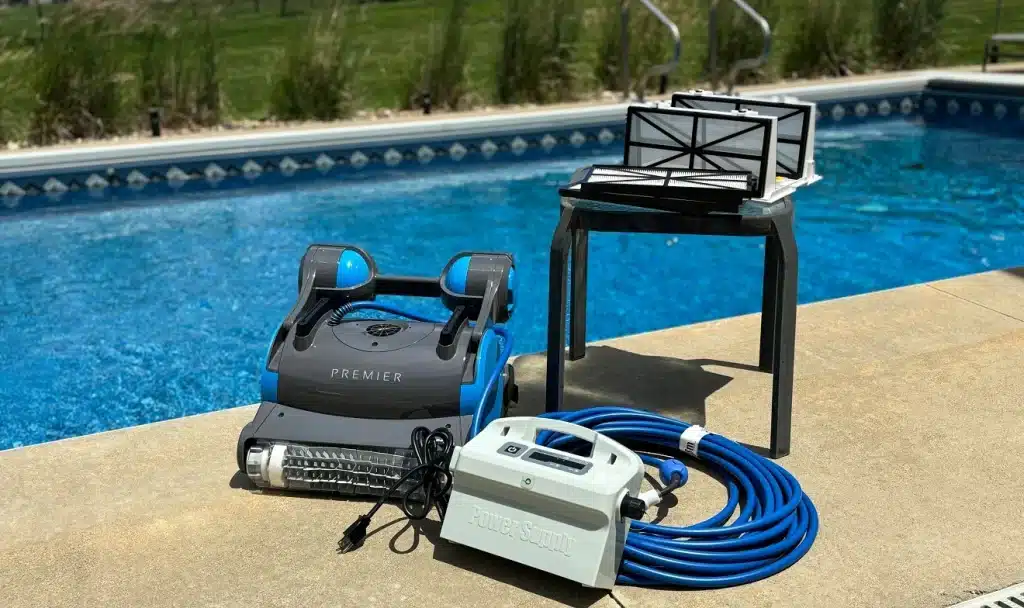
Pool Automation
Automation systems help maintain safe conditions by:
- Tracking water chemistry
- Preventing equipment from being misused
- Locking control panels
- Regulating pH and chlorine levels automatically
Balanced water is safer for swimmers and reduces risks like irritation or poor visibility.
Emergency Communication Tools
Waterproof communication devices or emergency call systems allow for fast help when a phone is not close by.
Seasonal Safety Tips
Different seasons bring different safety needs.
Spring
Before opening your pool:
- Check all safety equipment
- Inspect the fence and gates
- Test alarms and covers
- Clear the pool area
A solid start sets the tone for a safe season.
Summer
During the busiest season:
- Enforce pool rules
- Supervise closely
- Check equipment weekly
- Keep safety gear accessible
More swimmers mean more responsibility.
Winter
If your pool stays partially open or uncovered:
- Secure the pool area
- Use a strong winter safety cover
- Watch for ice hazards
- Keep equipment protected
Even when no one is swimming, safety matters.
Your Commitment Creates a Safe Pool Experience
Strong safety habits allow you to enjoy your pool without worry. With the right mix of barriers, supervision, equipment, and technology, your pool can remain a fun and secure part of your home. At Pools-Now, we encourage every pool owner to stay informed, stay prepared, and stay consistent with safety practices.
If you want to explore pool designs or upgrade your backyard safety setup, Pools-Now is here to help you create a secure and enjoyable swimming environment for your family.